Is Your Driveway Fading to Gray? What That Color Change Means
QUICK ANSWER: Asphalt turning gray is the visible sign of oxidation. Sunlight and oxygen break down the binder that coats the stone and gives fresh pavement its deep black color, and as that binder hardens and burns off, the surface fades toward gray. On its own, a little fading is normal aging. But gray pavement is drying out and getting brittle, which sets the stage for cracks, loose stone, and eventually potholes. The color is an early warning that the surface has lost some of its protection.
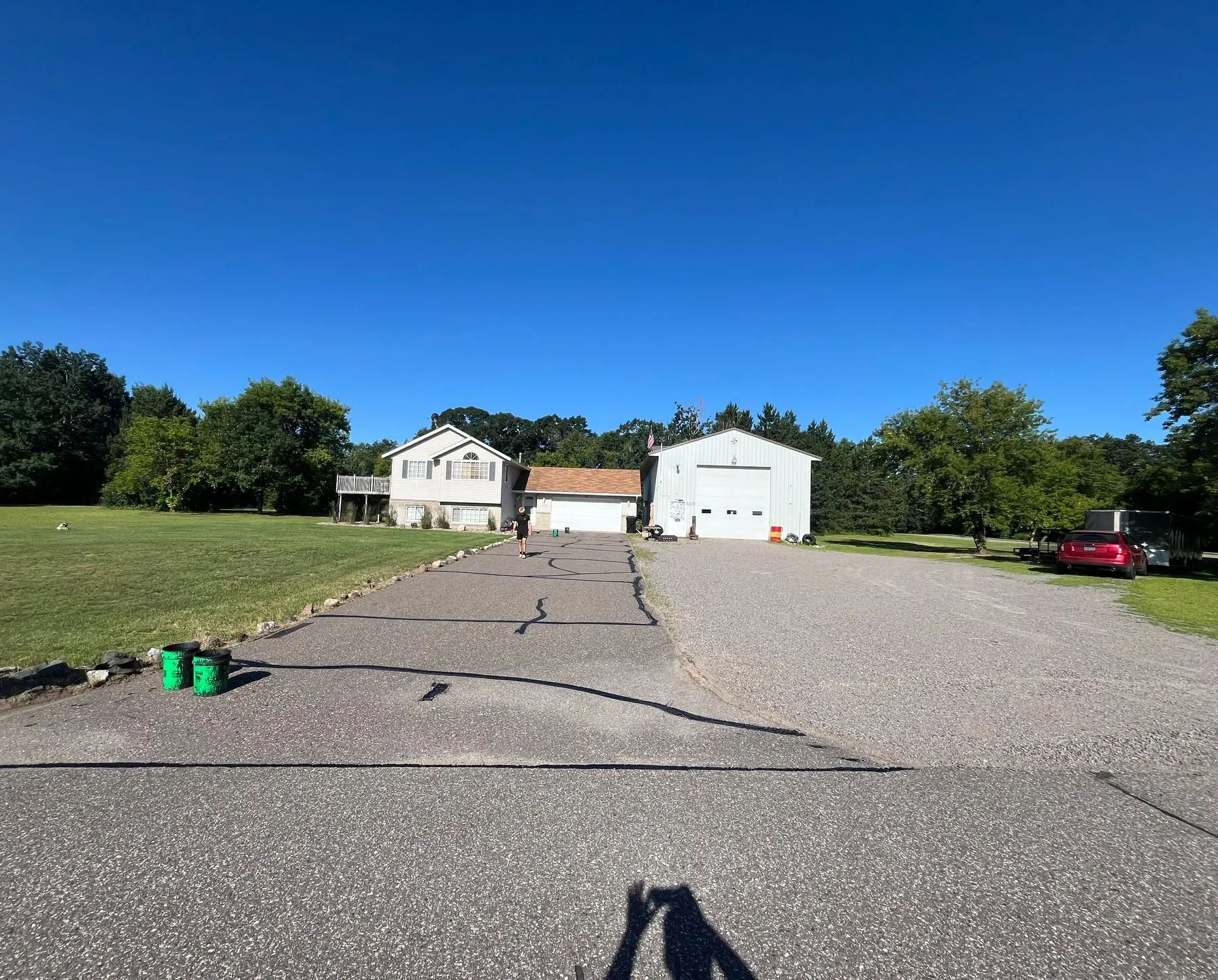
You back the car out one spring morning and notice it: the driveway that looked jet black a few years ago has faded to the color of an overcast sky. Maybe there is a little loose grit near the edges, or the texture feels coarser underfoot than it used to. It is easy to read this as a purely cosmetic thing, a driveway that simply looks tired.
It is not only cosmetic. That shift from black to gray is the surface telling you what is happening at the chemical level, and in a place like Anoka, where pavement runs a gauntlet of summer sun and hard winter freeze and thaw, reading that signal early is what separates a driveway that lasts from one that fails ahead of schedule. Understanding what the gray actually means makes the difference between a simple maintenance step and a full rebuild later.
Why Fresh Asphalt Is Black in the First Place
Asphalt pavement is a mix of stone aggregate held together by a petroleum binder called bitumen, a product of the crude oil refining process. When the mix is fresh, that binder fully coats every piece of stone, and it is the binder, not the rock, that gives new pavement its rich, almost wet-looking black color.
The binder does more than set the color. It is the glue and the flex of the whole surface. It keeps the aggregate locked in place, lets the pavement bend slightly under a vehicle instead of shattering, and seals the top layer against water. A driveway is essentially only as sound as the binder holding it together, which is why anything that attacks the binder attacks the driveway itself.
That matters because the black you see on day one is not permanent. From the moment the mix cools and traffic returns, the binder begins a slow chemical change, and the color is the easiest way to watch that change happen from the surface.
What the Gray Color Actually Means
The process behind the fade is oxidation, the same basic reaction that rusts metal. Oxygen in the air reacts with the compounds in the binder, and ultraviolet light from the sun speeds the reaction up. Together they break down the binder, which hardens, dries out, and loses the oils that kept it flexible. As it degrades, it stops reflecting that deep black and the surface reads as gray.
Oxidation starts the day the pavement is laid and never truly stops. Early on it is slow and mostly invisible. Over a few seasons of direct sun, though, the cumulative effect shows up as a clear color shift. So the gray is not dirt sitting on top of the driveway and it is not a stain. It is the binder itself wearing out from the surface down.
The trouble is that a brittle, dried-out binder no longer does its two most important jobs well. It holds the stone less tightly, and it seals against water less effectively. That is why gray is worth paying attention to even before a single crack appears: the protection is already thinning.
TIP: Test it with your hand. Rub a dry palm across the faded surface, then check for fine black-gray dust and loose sand-sized grit on your skin. That residue is aggregate the binder can no longer hold. A driveway that sheds grit when you touch it has moved past color change into early surface breakdown, and it is telling you the binder needs help soon.
From Gray to Gravel: How the Damage Progresses
Left alone, an oxidized surface follows a predictable path, and each stage feeds the next. It rarely jumps straight to failure, which is exactly why catching it at the gray stage is so useful.
Fading And Brittleness
The binder oxidizes, the surface grays, and the pavement grows stiff and dry. At this point the damage is still only skin deep.
Raveling
As the binder can no longer grip the aggregate, individual stones work loose. You start finding loose gravel and sand on the driveway and along the edges, and the surface feels rough. This is raveling, and it means the top layer is actively coming apart.
Cracking
A brittle surface cannot flex, so it cracks under the daily push of vehicles and the expansion and contraction of temperature swings. Once open, those cracks give water a way in.
Base Failure And Potholes
This is where a cold climate turns a small problem into a large one. Water that reaches the layers below freezes, expands, and pries the pavement apart from underneath, then thaws and leaves a void. Repeated freeze and thaw through a Minnesota winter widens cracks and undermines the base until a section fails and a pothole opens. What began as a harmless color change has now reached the structure.
When Gray Is Still Fine and When It Is a Warning
Not every gray driveway is in trouble. Some fading is a normal part of aging, and color alone rarely means a surface needs replacing. The key is to look at what is happening alongside the gray.
Gray is usually still manageable when the surface is fading fairly evenly, the pavement is smooth and solid underfoot, and any cracks are thin and shallow. A surface like that is a strong candidate for protection before it slips further.
Gray becomes a warning when it comes with loose aggregate you can sweep up by the handful, cracks that are widening or multiplying, crumbling along the edges, or soft spots that flex when a vehicle rolls over them. The most serious sign is alligator cracking, a web of interconnected cracks that looks like reptile skin. That pattern means the base underneath has failed, and no surface treatment will bring it back.
WARNING: Alligator cracking, sections that move underfoot, and widespread potholes are signs of base failure, not surface aging. Coating over that kind of damage only hides it for a season and wastes the effort, because the problem lives below the surface where sealer cannot reach. When the base is gone, the honest fix is removing the failed pavement and rebuilding it in compacted lifts, not sealing the top.
How to Slow the Fade and What Sealcoating Does
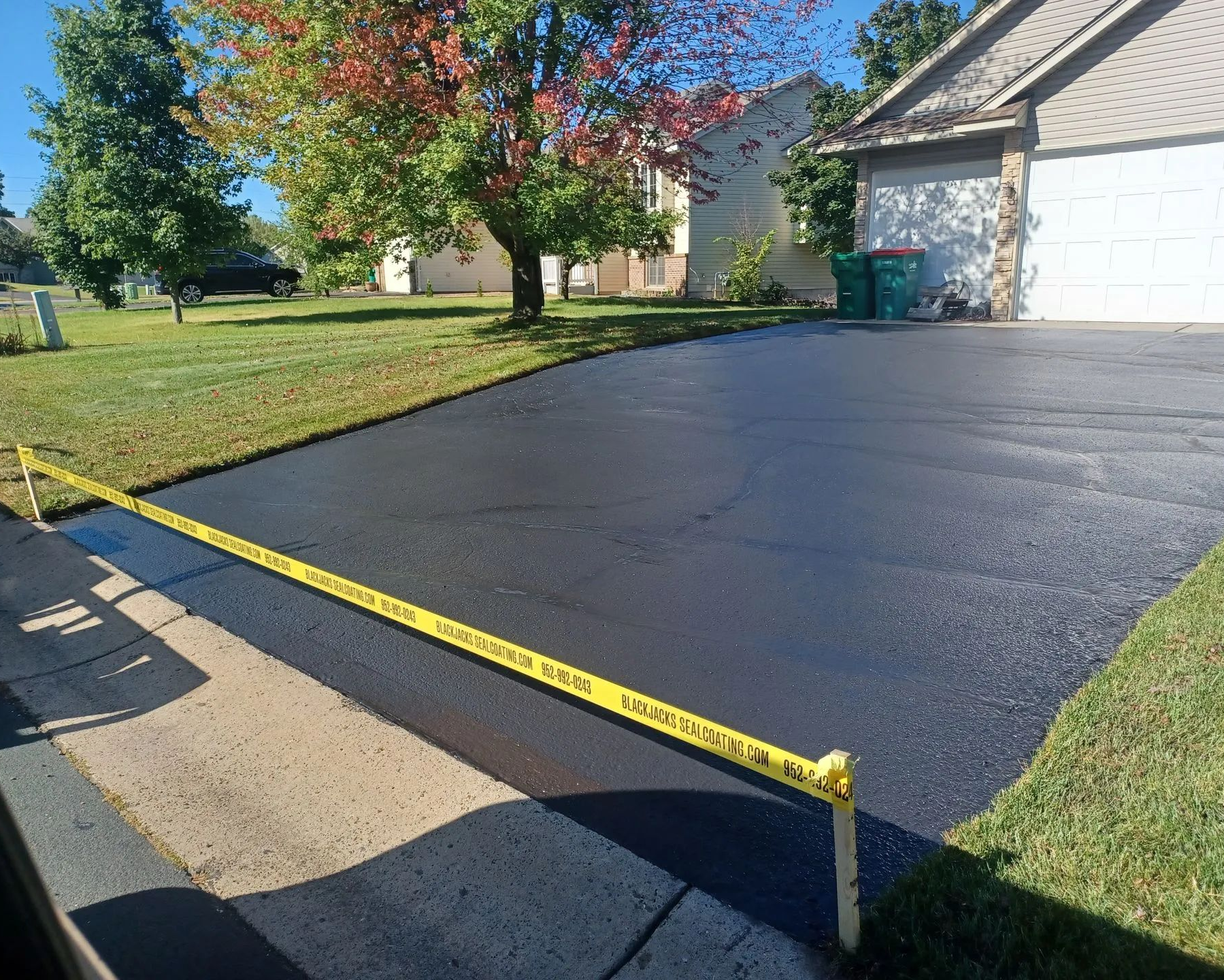
If the base is still sound and the damage is limited to the surface, the fade is very much something you can act on. A sealcoat is a thin protective film applied over clean, prepared asphalt. It puts a fresh barrier between the binder and the two things destroying it, oxygen and ultraviolet light, which slows oxidation and buys the existing binder more years of useful life. It also restores that deep black finish, though the protection is the real point and the color is a byproduct of doing the job right.
Timing and preparation decide how well it holds. Sealer bonds only to a clean, dry surface, so the work starts by clearing loose stone and grass, treating oil spots so the coating sticks, and filling any crack wider than about a quarter inch with hot rubberized sealant first, so the coat sits on a continuous surface instead of disappearing into open gaps. On an established driveway, resealing on a sensible cycle of every two to three years keeps a fresh barrier in place before the surface has time to grade out again. Brand new asphalt is the exception: it needs six months to a year to let its own oils work out before it will accept sealer, so patience early on protects the surface later.
There is also a limit worth being honest about. Sealcoating protects and extends a surface that still has good bones. It does not rebuild a failed base or reverse deep structural cracking. Knowing which situation you are looking at, protectable surface aging versus structural failure, is the whole game, and it is the reason a straight assessment of the pavement is worth more than a guess based on color alone.
Frequently Asked Questions
Is it bad if my asphalt is turning gray?
Fading on its own is normal aging rather than failure. It does signal that the binder is drying out and losing flexibility, so the surface carries less protection and becomes more vulnerable to cracking.
Can sealcoating turn my gray driveway black again?
Yes, a fresh sealcoat restores the deep black finish on a surface that is still structurally sound. The color is a byproduct, though. The real value is the barrier it places between binder and sunlight.
How fast does asphalt turn gray?
Most driveways show noticeable fading within three to five years, though sun exposure, drainage, and traffic all shift that timeline. Shaded pavement holds its color far longer than a surface baking in full afternoon sun.
Does gray asphalt mean I need a new driveway?
Rarely. Color change by itself points to surface aging, which sealcoating handles well. Replacement only enters the picture once the base has failed, shown by alligator cracking, soft spots, or pavement that shifts underfoot.
How often should I sealcoat in a cold climate?
Every two to three years suits most established driveways in Minnesota, since freeze and thaw cycles wear a coating faster. Watch the surface rather than the calendar and reseal once the black begins thinning.
Why does the fading start at the edges and high spots?
Those areas take the most direct sunlight and shed water fastest, so the binder there dries and oxidizes first. Edges also lack support from surrounding pavement, which is why loose grit gathers along them.
Reading the Color Before It Becomes a Repair
Color is the cheapest diagnostic tool a homeowner has. A driveway that has drifted from black to gray is not simply looking older, it is running on a binder that has hardened, dried, and started letting go of the stone it once held tight. Nothing about that is an emergency on its own, but it does mark the point where the surface stops protecting itself and starts depending on what you do next. The window between fading and failing is wider than it looks.
Timing matters more than perfection here. Pavement caught while it is merely fading responds well to protection, while pavement left until the base gives way asks for something far larger. Around Anoka, where winter pries at every open crack, that difference plays out quickly. With 35
years of work on Minnesota driveways behind it, Blackjacks Sealcoating
tends to read a surface the way a mechanic reads an engine, by what it is already telling you. The color is usually the first line of that story.